
Wasps vs Hornets: Stinging Insects in Myrtle Beach
Summary
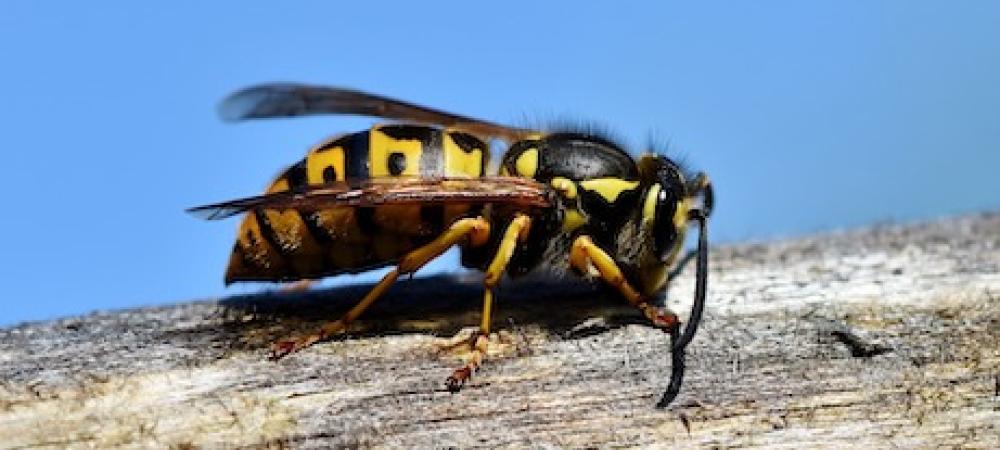
Hornets are actually a type of wasp, but they tend to be larger and build different types of nests than many other wasps commonly found around homes. Looking at an insect’s size, markings, nest location, and behavior can help you determine what type of stinging insect you are dealing with.
What’s the Difference Between Hornets and Wasps?
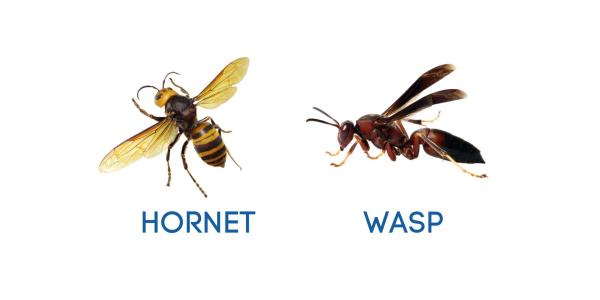
The main difference between hornets and wasps is that hornets are a specific group of wasps. In other words, all hornets are wasps, but not all wasps are hornets.
The term “wasp” covers a large variety of stinging insects, including paper wasps, yellow jackets, mud daubers, and hornets. Although species vary considerably, hornets are generally larger and more robust than many of the wasps homeowners encounter.
Some of the easiest characteristics to compare include:
- Body shape: Many wasps have a noticeably narrow waist and slender body, while hornets tend to appear thicker and heavier
- Size: Hornets are generally larger than common paper wasps and yellow jackets
- Color: Wasps may be yellow, black, red, brown, or metallic, depending on the species
- Nests: Different species may build exposed paper nests, enclosed aerial nests, underground nests, or nests inside structural voids
- Behavior: Social wasps and hornets may aggressively defend a nest when it is disturbed
Because appearance can vary significantly between species, nest type and location can sometimes provide better identification clues than color alone.
What Do Hornets Look Like?
Hornets generally have thick bodies, large heads, and noticeably robust builds compared with many other wasps. Their coloring depends on the species and may include combinations of brown, yellow, black, white, or reddish markings.
One insect commonly called a hornet is the bald-faced hornet. It has a predominantly black body with white or cream-colored markings and builds large enclosed paper nests, often in trees or shrubs.
European hornets are another large species that may be encountered in the eastern United States. They typically have brown and yellow coloring and can be considerably larger than common paper wasps and yellow jackets.
How Big Are Hornets?
Hornets are typically among the larger social wasps homeowners encounter. Exact size varies by species and whether the insect is a worker or queen.
Size alone should not be used for identification, however. Cicada killers and several other large wasps can easily be mistaken for hornets even though their behavior and nesting habits are different.
What Do Wasps Look Like?
Wasps come in many shapes and colors, so there is no single appearance shared by every species. Many common wasps have smooth bodies with relatively little hair and a distinct narrowing between the thorax and abdomen.
Depending on the species, you may see:
- Yellow and black stripes
- Reddish-brown bodies
- Black and white markings
- Metallic blue or black coloring
- Long, slender legs
- Narrow or threadlike waists
The type of nest nearby can help narrow down which wasp you are seeing.
Hornet Nests vs. Wasp Nests
Nest construction is one of the most useful ways to distinguish between common stinging insects. Different wasps choose very different nesting locations and structures.
Hornet Nests
Many hornets and closely related social wasps create paper nests by chewing wood fibers and mixing them with saliva. Bald-faced hornets, for example, construct large enclosed nests with a gray, papery exterior.
These nests may be found:
- Hanging from tree branches
- Inside shrubs
- Beneath roof overhangs
- On other protected exterior structures
A mature colony may contain many insects, so disturbing an active nest can quickly trigger defensive behavior.
Paper Wasp Nests
Paper wasps typically create open, umbrella-shaped nests with visible hexagonal cells. Unlike an enclosed hornet nest, there is no paper covering around the outside.
Common nesting locations include:
- Under eaves
- Beneath porch ceilings
- Around decks
- Inside sheds
- Under outdoor furniture
- Around playsets and other sheltered structures
These nests may begin very small in spring and grow as the colony develops.
Yellow Jacket Nests
Yellow jackets are social wasps that frequently nest underground, although they can also establish colonies inside wall voids and other protected cavities.
An underground nest can be difficult to notice until there is significant activity. Repeated yellow jacket traffic entering and exiting the same hole in the ground may indicate a nearby colony.
Are Hornets More Aggressive Than Wasps?
Aggressiveness depends more on the species and situation than whether the insect is simply called a hornet or a wasp. Many wasps encountered while they are away from a nest are primarily focused on finding food and may leave people alone.
Nest defense is different.
Social species can become highly defensive when people, pets, lawn equipment, or other disturbances get too close to the colony. The larger the colony becomes, the more insects may be available to defend it.
Rather than trying to determine whether a stinging insect is “aggressive,” pay attention to whether you are near an active nest.
Hornet Sting vs. Wasp Sting
Both hornets and many other wasps can sting, and social species may sting repeatedly.
The amount of pain varies based on the species, where the sting occurs, and the individual person. A larger hornet is not automatically more medically dangerous than every other wasp.
For most people, a sting causes temporary symptoms such as:
- Sharp pain
- Redness
- Swelling
- Itching or tenderness around the sting
Some people can experience serious allergic reactions to insect venom. Multiple stings can also present a greater concern than a single sting.
Common Stinging Insects Around Myrtle Beach
Myrtle Beach properties can attract several different types of stinging insects. Identifying which one is present can help determine whether the insect is simply passing through or whether there may be a nest nearby.
Paper Wasps
Paper wasps are frequently found around buildings because protected overhangs provide convenient places to build their open nests. They may establish nests beneath eaves, porch ceilings, railings, decks, and outdoor structures.
Their nests are often easier to recognize than the insects themselves because of the exposed honeycomb-like cells.
Yellow Jackets
Yellow jackets have compact black-and-yellow bodies and commonly nest underground or inside protected cavities. They are social wasps and can strongly defend their colonies.
Activity often becomes particularly noticeable later in the season as colonies grow larger.
Bald-Faced Hornets
Bald-faced hornets are recognizable by their black-and-white coloring and large enclosed paper nests. Despite their common name, bald-faced hornets are actually a type of yellow jacket.
Their nests are frequently constructed above ground in trees, shrubs, and around structures.
Mud Daubers
Mud daubers are slender wasps that construct distinctive tube-shaped nests from mud. They are generally solitary rather than living in large colonies.
Their mud nests may appear beneath porches, inside garages and sheds, or along other protected surfaces.
Carpenter Bees
Carpenter bees are not wasps, but they can sometimes be confused with other large flying insects. They have thick bodies and commonly hover around decks, fascia boards, railings, and other exposed wood.
Perfectly round holes in wood can be a sign that carpenter bees are nesting nearby.
When Is a Wasp or Hornet Nest a Problem?
A nest becomes more concerning when it is located somewhere people or pets regularly pass.
Pay particular attention to nests located near:
- Doors and entryways
- Decks and patios
- Sidewalks
- Pools
- Children's play areas
- Mailboxes
- Outdoor seating
- Frequently used parts of the yard
A nest high in a tree and away from activity may present a very different situation than one directly above a front door.
Repeated stinging-insect activity around one part of the property can also indicate a concealed nest even when you cannot see the nest itself.
Should You Remove a Wasp or Hornet Nest Yourself?
Small nests can sometimes appear easy to remove, but disturbing an active social wasp colony can cause numerous insects to emerge and defend it.
Attempting removal becomes especially risky when a nest is large, difficult to reach, hidden inside a structure, or located in the ground. Spraying or knocking down the visible portion of a nest may also fail to address insects protected deeper inside the colony.
If you are unsure what type of insect you are dealing with or cannot safely approach the nest, professional identification and treatment may be the safer option.
Wasp and Hornet Control in Myrtle Beach
Finding an occasional wasp outside does not necessarily mean you have a pest problem. Consistent activity around the same area, however, may point to a nest on or near your property.
Beach Pest Service provides wasp and hornet control in Myrtle Beach and surrounding communities. Our team can identify the type of stinging insect present, locate nesting activity, and determine an appropriate treatment approach.
Contact us today to request a free estimate for stinging insect control.
Frequently Asked Questions
Are Hornets Wasps?
Yes. Hornets are a type of social wasp. “Wasp” is a broad category that includes hornets as well as insects such as paper wasps, yellow jackets, and mud daubers.
Are Yellow Jackets Wasps or Hornets?
Yellow jackets are wasps. They belong to the same broader family as hornets, which is one reason the insects can share similar appearances and behaviors.
What Is the Difference Between a Wasp and a Bee?
Wasps generally have smoother, less hairy bodies and narrower waists than bees. Bees tend to have hairier bodies that help them collect pollen. Their nesting habits and diets also differ.