
Bed Bug Bites vs Mosquito Bites
Summary
Bed bug bites and mosquito bites can both appear as red, itchy bumps, which makes them difficult to tell apart based on appearance alone. The best clues are when the bites appeared, where they are located, whether new bites show up after sleeping, and whether there are other signs of bed bugs around your mattress or furniture.
Bed Bug Bites vs. Mosquito Bites
Bed bug bites and mosquito bites often look very similar, so the appearance of a bite alone usually is not enough to identify what caused it.
Both can cause redness, itching, swelling, and raised bumps. Reactions also vary considerably from person to person. Some people develop noticeable welts, while others may have very little visible reaction.
Instead of focusing on one characteristic, look at several clues together:
- When the bites appeared
- Where they are located on your body
- Whether they appear individually or in groups
- Whether new bites appear after sleeping
- Whether you can find signs of bed bugs around the bed
- Whether mosquitoes have been active around the property
These details can help narrow down the cause, but finding the pest itself provides much stronger evidence.
What Do Bed Bug Bites Look Like?
Bed bug bites commonly appear as small, red, itchy bumps on exposed skin. They may occur individually, in clusters, or sometimes in a line.
However, the familiar idea that bed bug bites always appear in a neat row of three is not a reliable identification method. Bite patterns can vary considerably depending on the person and where the insects were able to feed.
Bed bug bites may cause:
- Red or slightly swollen bumps
- Itching or irritation
- Multiple bites close together
- Bites that appear in a loose line or cluster
- Little or no visible reaction in some people
Some people develop noticeable reactions, while others may be bitten without realizing it.
How Long Does It Take for Bed Bug Bites to Appear?
Bed bug bites may not become noticeable immediately.
A person typically does not feel a bed bug feeding because the insect introduces substances that help keep blood flowing and reduce immediate sensation at the bite site. Visible marks may appear later, sometimes one or several days after the bite occurred.
That delay can make bed bug bites difficult to connect to a specific place or night.
What Do Mosquito Bites Look Like?
Mosquito bites often cause raised, itchy bumps that develop after the body reacts to mosquito saliva.
A mosquito bite may appear as:
- A puffy reddish bump
- A firm, itchy bump
- Redness or swelling around the bite
- Several separate bites in exposed areas
- Occasionally small blisters or darker spots
Some mosquito bites become noticeable within minutes, while others become more obvious later.
The severity of the reaction also varies. One person may develop a tiny itchy bump while another develops much more noticeable swelling.
Key Differences Between Bed Bug Bites and Mosquito Bites
Although there is plenty of overlap, several clues can help distinguish the two.
Timing of the Bites
Bed bug bites often become noticeable after sleeping, but the actual skin reaction may be delayed.
Mosquito bites may become itchy or swollen relatively soon after exposure, particularly if you were outside when mosquitoes were active.
If you repeatedly wake up with new bites, bed bugs become more suspicious—but that pattern alone still does not confirm an infestation.
Bite Pattern
Bed bug bites sometimes appear in clusters or lines because an insect may feed more than once or multiple bed bugs may feed in the same general area.
Mosquito bites are often more scattered because mosquitoes land and feed independently.
Neither pattern is guaranteed, however. Bed bug bites can appear randomly, and several mosquitoes can bite the same area of skin.
Location on the Body
Both pests commonly bite exposed skin. Bed bug bites are often noticed on areas exposed while sleeping, including:
- Arms
- Hands
- Face
- Neck
- Shoulders
- Legs
Mosquito bites can appear almost anywhere exposed while outdoors or around mosquito activity.
Can You Tell Bed Bug Bites From Mosquito Bites by Looking at Them?
Usually, no. Skin reactions from bed bugs, mosquitoes, fleas, and other biting insects can look remarkably similar. Even healthcare professionals may not be able to determine the exact pest responsible based solely on a bite.
That is why suspected bed bug problems should be evaluated using evidence from the surrounding environment rather than bite appearance alone.
If you suspect bed bugs, inspect the sleeping area for physical signs.
Signs of Bed Bugs Besides Bites
Physical evidence around the bed is much more useful than relying on skin reactions.
Look for:
- Live bed bugs
- Dark spots from bed bug droppings
- Rusty or reddish stains on sheets or mattresses
- Shed skins
- Tiny eggs or eggshells
- Bed bugs hiding along mattress seams or furniture joints
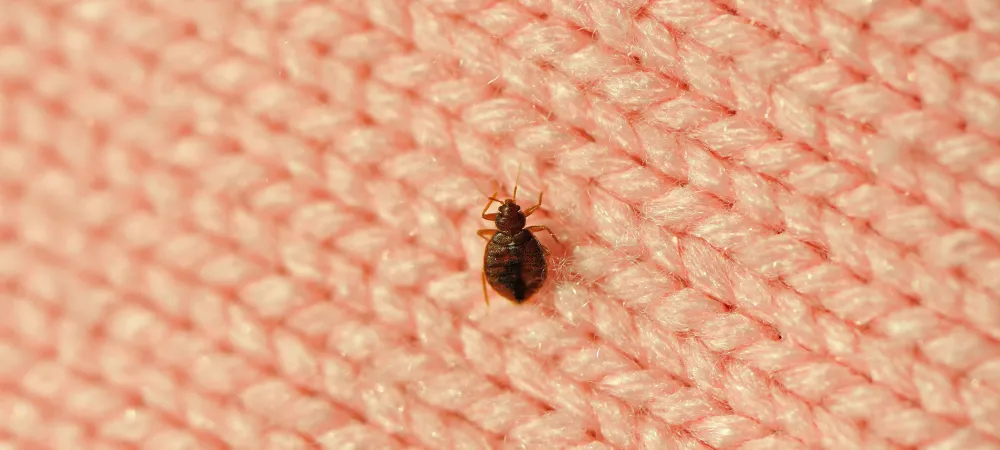
Adult bed bugs are roughly the size of an apple seed and have flat, reddish-brown bodies.
Where to Look for Bed Bugs
Start close to where people sleep.
Common hiding areas include:
- Mattress seams
- Box springs
- Bed frames
- Headboards
- Bedside furniture
- Baseboards
- Cracks and crevices near the bed
- Upholstered furniture
As an infestation grows, bed bugs may spread farther away from the sleeping area.
Does Waking Up With Bites Mean You Have Bed Bugs?
Not necessarily. Mosquitoes, fleas, mites, and other insects can also cause bites that become noticeable overnight. Skin irritation may even have causes unrelated to insects.
Waking up with repeated unexplained bites is a reason to inspect for bed bugs, but it should not be treated as proof of an infestation.
Finding live insects, shed skins, droppings, or other physical evidence provides much stronger confirmation.
Bed Bug Bites vs. Flea Bites
Flea bites frequently appear around the lower legs and ankles, although they can occur elsewhere. Bed bug bites are often noticed on exposed areas of the upper body as well as the legs.
Both can occur in groups and cause considerable itching, so location alone is not enough for a definite identification.
If pets are scratching frequently or fleas are visible around pet bedding, flea activity becomes a stronger possibility.
How Long Do Bed Bug and Mosquito Bites Last?
The length of time a bite remains visible depends heavily on the individual's reaction.
Minor mosquito bites may improve within several days, while stronger reactions can remain irritated longer.
Bed bug bite marks may also remain visible for several days or longer. Scratching can prolong irritation and increase the risk of a secondary skin infection.
Seek medical attention if a bite becomes increasingly painful, hot, severely swollen, or shows other signs of infection. Severe allergic reactions also require immediate medical care.
How to Know If You Have Bed Bugs
The most reliable way to determine whether bed bugs are responsible for unexplained bites is to find evidence of the insects themselves. If bites continue appearing and you cannot identify the cause, carefully inspect the mattress, bed frame, nearby furniture, and surrounding cracks and crevices.
Bed bugs can be difficult to locate, particularly when an infestation is still small. Professional inspection may be helpful when you continue seeing possible signs but cannot confirm the source.
Professional Bed Bug Control
Bed bugs can hide in extremely small spaces around beds, furniture, walls, and other areas of a room. Once established, they can also be difficult to eliminate without a treatment plan that addresses the full infestation.
Beach Pest Service provides professional bed bug treatment throughout Myrtle Beach and surrounding communities. If you are noticing unexplained bites or other signs of bed bugs, our team can inspect the property, identify the problem, and recommend the appropriate treatment.
Contact us today to request a free estimate for bed bug control.
Why do mosquito bites itch more at night?
We've all noticed it. Mosquito bites that haven't really bothered us during the day all of a sudden itch like crazy. As our bodies get ready to go to sleep, histamine production increases, which is what causes us to itch. At the same time, cortisol, which is the body’s own anti-inflammatory that helps reduce itching, decreases at night. We also have less to focus on at night, making the itching harder to ignore. This perfect storm explains why mosquito bites itch more at night.
Bed bugs vs flea bites: what’s the difference?
The first difference is the bite location. Bed bug bites appear primarily on the arms, hands, face, and neck. Fleas target feet, legs, armpits, elbows, and knees. Both have red bumps that itch, but there is often a darker red spot in the middle of bed bug bites. Lastly, only bed bug bites have a recognizable pattern to them. Flea bites are in a random pattern.
What do mosquito bites look like on dogs?
Dogs and other pets react to a mosquito bite in a very similar manner as humans do. They can experience localized swelling, redness, and even hives.